Should I spend or should I save?
Should I Spend or Save?
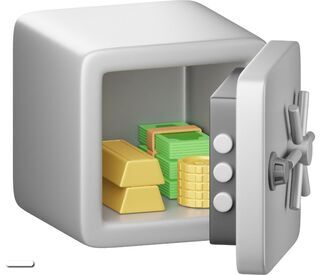
What do you do when you get money – for example, your pocket money or a gift for a holiday? Do you rush to spend it on treats and toys, or do you save some of it in your piggy bank to use later for something more useful?
Imagine that you currently have money with which you can buy something of your choice. You want to eat ice cream, but you also want to buy a set of felt-tip pens at the bookstore. However, you have enough money only for one of them. Which one will you choose? Think carefully, because once you spend it, you can no longer use it for anything else.
If you buy the ice cream, you will enjoy it while you eat it, but it will run out quickly, as will your money. If you take the felt-tip pens, you will use them for a longer time and have fun while drawing, but you will not eat the ice cream.
Your decision becomes even more difficult because you also like a new model car from your favourite constructor. It is quite expensive and the money you have now will not be enough for it. But if you do not spend it and start saving for the constructor, after a while you will have saved enough to buy it.
Why is saving important?
When you are hesitating about what to buy, think about what you really need and what will be useful. Consider whether it would be better, instead of spending all your money right away, to set aside some of it. That way you can start saving for something bigger, better, and of greater value to you.
What do you really want to have - for example, a popular game, a nice sketchbook and paints for drawing, or a new comic book? Find out how much it costs. This is how you set a savings goal – how much money you will need. By setting aside a little bit of each amount you receive, you will gradually accumulate the amount you need. To monitor how your savings are growing, use a piggy bank and write it down in a separate notebook.
A savings goal helps you not spend your money right away, but to be patient and achieve your dreams.
What does it mean to spend wisely?
The first step to wise shopping is saving. Because it is not only for large purchases, but will help you not spend on unnecessary things or, in other words, to correctly assess your needs and wants.
The wise buyer looks for the better good that will be more durable, more beautiful, or taste better. It will often be more expensive. But it is important to know that a higher price does not always mean higher quality – it can be due to other reasons. (see article "What do prices show?")
But what will you do when the same chocolate costs differently in two stores? Or is on sale in one of them? Of course, it is perfectly right to choose the cheaper option and save money! That is why it is important to compare prices.
Sometimes people buy something just because it is advertised or because it is trendy. But it is not a good idea to spend your saved money on something just because "everyone in class has it". Also, always consider whether you can afford the purchase. This means not only whether you have enough money for it right now, but whether it will serve you later for something more useful to you.
Imagine that you are saving money for a stroller that you have been wanting for a long time for your collection. However, this week your friends bought the latest action figure. Should you get it too? You will have enough money, but then you will not have enough for the stroller and you will have to start saving all over again. What will you do? Which is more important to you?
Choose carefully what to buy so you don't regret it later. Think about whether you need it, how much it costs, and whether you can afford it. This means being a smart buyer.
Useful tip:
How to shop wisely?
When you have pocket money, it’s very tempting to spend it right away on sweets, toys or a new game. But if you want to be a wise shopper, here are some tips that will help you!
1. Make a list
Before you go to the store, think about what you really need. Having a list will help you avoid unnecessary purchases.
2. Set a budget
Decide how much money you can spend and don’t spend more than that. If you want to save for something big, don’t buy everything right away.
3. Compare prices
If you see the same toy or treat in two places, check where it’s cheaper. Sometimes the difference is big!
4. Don’t buy right away – think!
• If you like something, wait a while and ask yourself: Do I really need it? Will I use it for a long time or will I get bored of it after a day? Is it worth the money?
5. Be careful with ads and sales
Sometimes stores have discounts, but that doesn't mean you necessarily need that product. Buy only if you really need it.
6. Save up for something bigger
If you want an expensive game or a bike, you can save up a little bit instead of spending it all on trifles. Saving up gives you the opportunity to buy something more valuable.
7. Be careful with online shopping
If you want to buy something online, always ask your parents! Some sites can be fraudulent, and some products don't look like the pictures.
Smart shopping means thinking before you spend. If you follow these tips, you'll have more money for things that are really worth it!
 This article has been prepared with the support of the OECD, as part of the project "Strengthening the Capacity for Implementation of the National Financial Literacy Strategy", funded by the EU through the Technical Support Instrument. This material is for informational and educational purpose only. It does not constitute investment advice, a recommendation or offer to buy or sell financial instruments, or the provision of any other type of investment services. More information can be found here.
Useful instruments
Glossary
Partners