Planning my money
Have you ever wondered where your pocket money goes? Or why parents sometimes say, “We don’t have the budget for that this month”? Have you ever tried to save up for something big that you want to have – like a new bike, a phone, or even a gift for a friend? If you haven’t yet, it’s time to think about how you can plan and manage your money better so that you can use it in the best way for you.
Budget
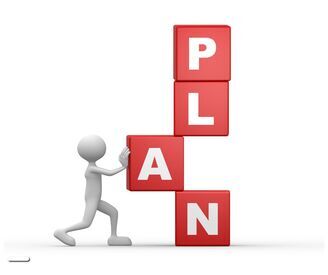
To always be aware of how much money you have, you need a budget. It’s a plan that shows how much money you have, where it comes from, and what you’ll spend it on. It’s like a map of your money, showing you where you are and how you can get to your goal without getting lost.
A budget is a good “friend” because it helps you avoid spending more than you have and shows you whether you can afford something. When you regularly plan your money, such as making a budget for the week or month, you can save for future needs more easily because you have already set a goal and are moving towards achieving it.
Income and expenses
Before you start planning, you need to know what money you have at your disposal– i.e. your income, as well as what you plan to spend on – i.e. the expenses you anticipate. The easiest way is to describe them in a notebook by drawing a table, but you can also use a special budgeting application.
First, write down where your money comes from and against it – what its amount is. For example:
• Pocket money from parents
• Money from gifts
• Money from work – small jobs during the holidays
Some of these incomes are permanent (for example, you get the same amount every week), while other are irregular (for example, if someone gives you money for your birthday).
Then describe your expenses – what you spend on and how much. For example:
• Snacks and food
• Games, movies, books
• Transportation (bus card)
• Gifts for friends
• Saving for something bigger
After you write down all your income and expenses for the month, calculate the difference.
If your income is more than your expenses – that’s great! This means you can save or set aside for a future purpose. If you spend more, then you need to cut some expenses.
In the budget, you plan for expenses that you usually have (like a snack at school), but sometimes unexpected ones arise – for example, you might lose your headphones and need to buy new ones. It’s good to be prepared for such situations. Your savings can help you with this – these are the funds that you collect to spend later. It is important when planning your expenses to estimate how much you can set aside from your income.
The goal for which you are saving can be a major purchase or to provide funds to meet an extraordinary expense. Sometimes things happen that people do not expect – a household appliance breaks, your neighbour floods your apartment, or you need to have a paid medical examination. To be prepared for such cases, people usually set aside money that they call an “emergency fund”. It is a good idea for you to have such a fund “just in case” that you can use when necessary.
And what will you do if you unexpectedly receive extra money – for example, a gift from grandparents or winnings from a competition? Will you spend it immediately on entertainment and treats? Will you buy something that you have long liked, or will you save it for something bigger and more important? It is good even in such cases to have a plan on how to use this money "fallen from the sky".
It is normal for a family to discuss what the money will be spent on. There may be different opinions, so compromises are usually made. When drawing up a family budget, you should consider all the income and expenses of the household - such as rent/mortgage payment, electricity, food, internet and television, transportation, etc. The family budget also includes what savings are needed for vacation or renovation, but also for donations to charity or helping relatives. Do you get involved in drawing up the family budget, for example, for the month or for the summer vacation?
Budgets are also made in business, which help entrepreneurs plan their activities. For example, if you have skills and create beautiful products that you sell, you can also make a budget for this project of yours. For example, plan what expenses you will need for materials or the sales that you need to make in order to make a profit.
A budget is a useful tool that will help you manage the money you have. It doesn't matter if it is a lot or a little. What matters is how you plan it. When you know what your income and expenses are, you can avoid unnecessary expenses, achieve your goals, and help others.
 This article has been prepared with the support of the OECD, as part of the project "Strengthening the Capacity for Implementation of the National Financial Literacy Strategy", funded by the EU through the Technical Support Instrument. This material is for informational and educational purpose only. It does not constitute investment advice, a recommendation or offer to buy or sell financial instruments, or the provision of any other type of investment services. More information can be found here.
Useful instruments
Glossary
Partners